
"development status"
1000 article(s) found

Yunnan katim coffee is the status quo of yunnan coffee katim varieties?
Professional coffee knowledge exchange More coffee bean information Please pay attention to coffee workshop (Weixin Official Accounts cafe_style) Katim coffee beans_Yunnan Katim coffee beans Yunnan coffee is carrying the banner of Chinese fine coffee, coffee varieties are mainly Arabica, more detailed, more than 90% are Catimor. Let's look at the blood of Katimo first. It was created by Katimo.

Honduran coffee growing and improvement programme? Honduras coffee beans export status?
Professional coffee knowledge exchange More coffee bean information Please pay attention to coffee workshop (Weixin Official Accounts cafe_style) Honduras coffee planting and improvement plan? Honduras coffee beans export status? According to the Honduras Las Cafes Bureau (IHCAFE), producers have increased their acreage because of the rise in international bean prices. There are two main factors: (1) coinciding with each

Where to sell coffee in Baoshan _ the development status of Baoshan small-grain coffee industry _ where is there coffee in Baoshan, Yunnan?
Professional coffee knowledge exchange more coffee bean information please follow Coffee Workshop (Wechat official account cafe_style) Yunnan, as a major agricultural province in China, has unique geographical and climatic advantages, and there are countless small resources on Yunnan land. What the editor wants to introduce to you today is coffee, a small resource product that has nothing to do with Yunnan at first glance. Yunnan small grain coffee

Current Status of Ruixing Coffee Ruixing implements equity incentive plan for directors and employees
Since Ruixing Coffee's financial fraud of 2.2 billion yuan, Ruixing Coffee's board of directors has fallen into internal strife, senior management personnel have also experienced a large area of exchange of blood, and the discredited Ruixing Coffee has been excluded from the outside world. However, Ruixing Coffee has not given up self-help. Industry experts put forward: Ruixing coffee is a legal entity after all, if the future company's responsible executives are all replaced, and the public

Angora coffee beans
Angola's Angola, which has been growing coffee for more than 100 years, ranked first in Africa until 1960 and reached 225000 tons in 1979, ranking second in Africa and fourth in the world. The output in 1992 was 5000 tons. Sisal production is second only to coffee, and the level of per unit yield is higher. In 1986, the output reached 20,000 tons, sisal ranked second in Africa both in terms of output and export volume. Luo'an, Xinhuanet
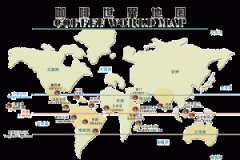
African coffee Angora coffee beans
Angolan coffee Angola Angola has been growing coffee for more than 100 years, and its output has been the first in Africa until 1960, reaching 225000 tons in 1979, ranking second in Africa and fourth in the world. The output in 1992 was 5000 tons. Sisal production is second only to coffee, and the level of per unit yield is higher. In 1986, the output reached 20,000 tons, sisal ranked second in Africa both in terms of output and export volume.
Price of Angolan coffee beans
Angolan coffee Angola Angola has been growing coffee for more than 100 years, and its output has been the first in Africa until 1960, reaching 225000 tons in 1979, ranking second in Africa and fourth in the world. The output in 1992 was 5000 tons. Sisal production is second only to coffee, and the level of per unit yield is higher. In 1986, the output reached 20,000 tons, sisal ranked second in Africa both in terms of output and export volume.
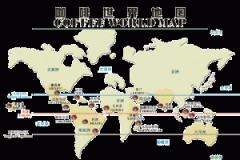
African specialty coffee Angola boutique coffee beans
Angolan coffee Angola Angola has been growing coffee for more than 100 years, and its output has been the first in Africa until 1960, reaching 225000 tons in 1979, ranking second in Africa and fourth in the world. The output in 1992 was 5000 tons. Sisal production is second only to coffee, and the level of per unit yield is higher. In 1986, the output reached 20,000 tons, sisal ranked second in Africa both in terms of output and export volume.

Introduction of Colombian Huilan Coffee Flavor description, Grinding characteristics, treatment method, Fine Coffee
Compared with other producing countries, Colombia is more concerned with developing products and promoting production. It is this, coupled with its superior geographical and climatic conditions, that makes Colombian coffee excellent in quality and delicious and famous all over the world. The status of coffee in Colombia is evident in the following example: all vehicles entering the country must be sprayed and sterilized so as not to inadvertently cause disease and damage coffee trees.

Dehong, one of the four major coffee producing areas in Yunnan Province, introduces Yunnan coffee Dehong producing area coffee beans are delicious
Professional coffee knowledge exchange More coffee bean information Please pay attention to the coffee workshop (Weixin Official Accounts cafe_style) Dehong Prefecture coffee industry development status Dehong Prefecture unique natural conditions have created Yunnan Arabica coffee outstanding quality, its rich aroma, unique flavor, Nestle, Starbucks and other internationally renowned coffee manufacturers rated as one of the best quality coffee in the world

The production of Angolan coffee beans ranked first in Africa until 1960.
Angola's Angola, which has been growing coffee for more than 100 years, ranked first in Africa until 1960 and reached 225000 tons in 1979, ranking second in Africa and fourth in the world. The output in 1992 was 5000 tons. Sisal production is second only to coffee, and the level of per unit yield is higher. In 1986, the output reached 20,000 tons, sisal ranked second in Africa both in terms of output and export volume. Luo'an, Xinhuanet

How is the development of Yemeni coffee? What are the development prospects of Yemeni coffee?
Professional coffee knowledge exchange more coffee bean information please follow the coffee workshop (Wechat official account cafe_style) because recently Yemeni coffee has gradually begun to enter people's attention, for Yemeni coffee, we must understand some Yemeni coffee market situation ~ 1. Yemeni coffee industry development status (1) in recent years, total output has continued to decline since 2001, due to various reasons.

Help Yunnan Coffee to go out and investigate Baoshan Coffee Industry by the Research Group of Yunnan Agricultural University
Professional coffee knowledge exchange more coffee bean information please follow the coffee workshop (Wechat official account cafe_style) recently, the research group of Yunnan Agricultural University, combined with the research direction of the 2019 Baoshan coffee industry development status of the CPC Committee of Baoshan, went to the Baoshan City Party Committee member enterprise Yunnan Baoshan Fuyin Coffee Manor Co., Ltd. to conduct research. The research team came to Qiankang Village, Lujiang Town.
Elephant bean coffee beans
In terms of taste, many people find it admirable to have a cup of coffee made with Mexican or Guatemalan coffee powder. Taste moderate, no bitterness, slightly sour, such as add a little water spray spice, the taste will be better, and taste smooth and smooth. All kinds of raw coffee from all over the world, although the taste is different, but no matter it is Robbins.

Where can I find coffee beans in Yunnan? what coffee beans are produced in Yunnan? what is the quality of coffee beans in Yunnan?
Professional coffee knowledge exchange more coffee bean information please pay attention to the coffee workshop (Wechat official account cafe_style) Yunnan coffee is bound to gain its due reputation and status in the global coffee the support and guidance of the ● government is indispensable for the take-off of the industry in recent five years, Yunnan producing areas have undergone obvious changes, a small number of coffee enterprises and farmers take the initiative to enter the domestic consumer market to understand the market

A brief introduction to the history and culture of the origin and development of high-quality coffee beans in Storm Manor of Nicaragua.
Elephant bean, giant coffee bean (Elephant bean), which is 3 or more times larger than other coffee beans, has a taxonomic name Maragogype, derived from Maragogype County in the state of Bahia, Brazil, where the taxonomic status of Giant Coffee Bean was first established in 1870 as an Arabica derived species (hybrid). Flavor
Coffee from abroad to China
Coffee originated in foreign countries. In the early days, only some wealthy middle-class or above families could afford it. It was only in the last century that coffee became popular in our country.

Colombian Coffee Culture the Cultural Origin of Coffee
The National Coffee Management Association of Colombia, like the National Management Association of Kenya, is a model of coffee organization. Compared with other producing countries, Colombia is more concerned with developing products and promoting production. It is this, coupled with its superior geographical and climatic conditions, that makes Colombian coffee excellent in quality and delicious and famous all over the world. The status of coffee in Colombia comes from the following examples

The Historical Development of Burundian Coffee Bean Industry the Progress of Coffee Farmers and the Story of Excellence Cup
The competition will increase fame for a short time and bring about a new wave and rapid development and progress in the industry. No, in addition to the spiritual impact, there are substantial economic changes. For example, the excellent Cup held in Burundi in 2012 not only changed the fate of award-winning farmers, but also enhanced the status of Burundian coffee in the world. Held for the first time since 1999

General knowledge of Coffee Culture the Development History of Colombian Coffee
Coffee was first introduced to Colombia in 1808 when it was brought by a priest from the French Antilles via Venezuela. Today, the country is the second largest producer after Brazil, with an annual output of 13 million bags of 60 kg each, while Brazil produces 22 million bags a year. The status of coffee in Colombia can be seen in the following examples-all entering the